
Practical policy decisions

Multiple policies, one clear claim record

A household with several pets and one pet insured twice create very different paperwork and payment questions.

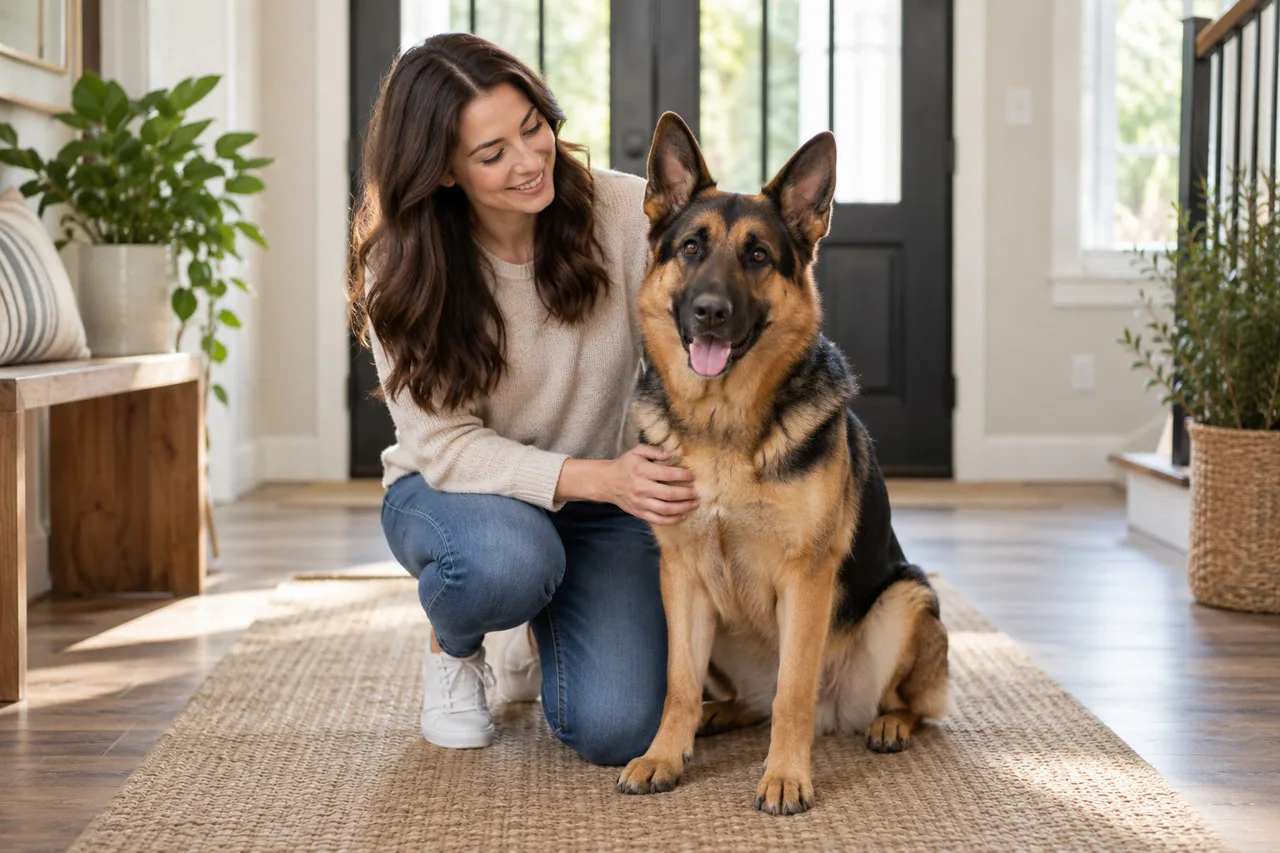
Owner beside a large dog at home
✓ Policy-first ✓ Independent ✓ Useful checks
Direct answer
You can manage separate insurance policies for several pets. Overlapping policies for one pet may also be possible, but the contracts control whether and how they work together. Do not assume both reimburse the same bill independently or that the second fills every gap. Read each policy’s other-insurance wording and obtain written claim instructions before paying for duplicate cover.
What to know

First identify which kind of “multiple” you mean

Arrangement Main question
Different pets, separate policies Which pet owns each deductible, limit and claim?
One pet, overlapping medical policies Which contract responds first, and what can the other pay?
Medical insurance plus routine-care program Do the benefits address different services, and can any expense overlap?

A multi-pet discount does not necessarily mean a shared family deductible or a pooled benefit limit. Treat that as the structure of that provider’s product, not a rule that settles every insurer’s household offer.

What to know

An other-insurance clause can change the whole calculation

Before buying duplicate medical cover, ask both insurers for the exact section governing other insurance. Identify whether it excludes an expense already insured elsewhere, pays only an excess amount, or uses some other coordination rule. For example, the Pets Best Pennsylvania sample available from its official site describes excess insurance, a proportional-sharing provision when other cover is also primary or excess, and a duty to notify the insurer of other insurance. That is a particular sample form, not a universal rule or a guarantee that a different state offer works the same way.

Do not add two advertised reimbursement percentages together. The second policy may apply its own exclusions, deductible and limits, and may not recognize the first policy’s deductible as an eligible expense. If the two answers conflict, ask the insurers to explain the same hypothetical invoice in writing. An agent’s general statement that you may enroll is not an explanation of how the overlap is paid.

What to know

Use one invoice trail when both insurers are involved

  • Disclose the existence of the other coverage to both companies and ask which submission sequence their contracts require.
  • Retain the original itemized invoice and identify the same treatment dates in both records.
  • Provide the first insurer’s decision and payment explanation when the second requests it; identify amounts already paid.
  • Ask how corrections, refunds or a changed decision must be reported to the other insurer.
  • Keep unsettled amounts separate from denied amounts. A pending claim is not evidence that the other contract owes the balance.

This is an administrative safeguard, not permission to submit undisclosed duplicate claims. Follow the contracts and the insurers’ actual instructions. If the second policy cannot explain an incremental benefit relevant to you, compare its annual premium with keeping that money available for retained expenses.

Claims

For different pets, prevent the wrong-policy claim

Maintain a short policy register: pet name and identifying details, insurer, policy number, renewal date, deductible type, annual limit and selected extras. Store each pet’s claim decisions separately. An invoice covering two pets needs an accurate breakdown from the practice; do not allocate a combined charge yourself just to use a remaining allowance.

An older cat and a young dog may need different coverage decisions even at the same insurer. Price each complete offer and then the household total. A discount on a policy with an unwanted gap is not automatically better than a separately purchased policy. Also check whether the discount changes if one pet’s policy ends.

What to know

A short overlap during a switch still deserves attention

Do not cancel the old policy solely because a new quote appears cheaper. Compare the new start date, waiting rules and treatment of conditions already in the record. Ask how each company handles a claim whose treatment occurs during overlap, and how a course of care spanning the change is assigned.

An overlap can preserve time to inspect documents, but it is not a guarantee of extra reimbursement or of continuity for a pre-existing condition. Before acting, write down what protection would be lost, what new protection would begin, and what remains unresolved. If an ongoing condition is valuable under the old policy, that loss belongs in the decision alongside the premium.

Evidence

Sources and policy context

These public references support the consumer or veterinary context. Named insurer details were checked in official product materials; the policy offered for your pet and state determines the actual terms.

Next step

Compare Current Pet Insurance Rates

Check current options for your pet and location, then compare the policy details, exclusions, costs, and eligibility before choosing.

Compare the policy before you choose Check the actual offer, exclusions and out-of-pocket terms.
See Rate Options